Sports psychological training and your path to mental strength
Keeping a clear head at the crucial moment. Feeling prepared for the challenges that sport presents. Learning to control your own thoughts. Setting goals and achieving them.
These and many more are areas covered by sports psychology. Curious to find out more?
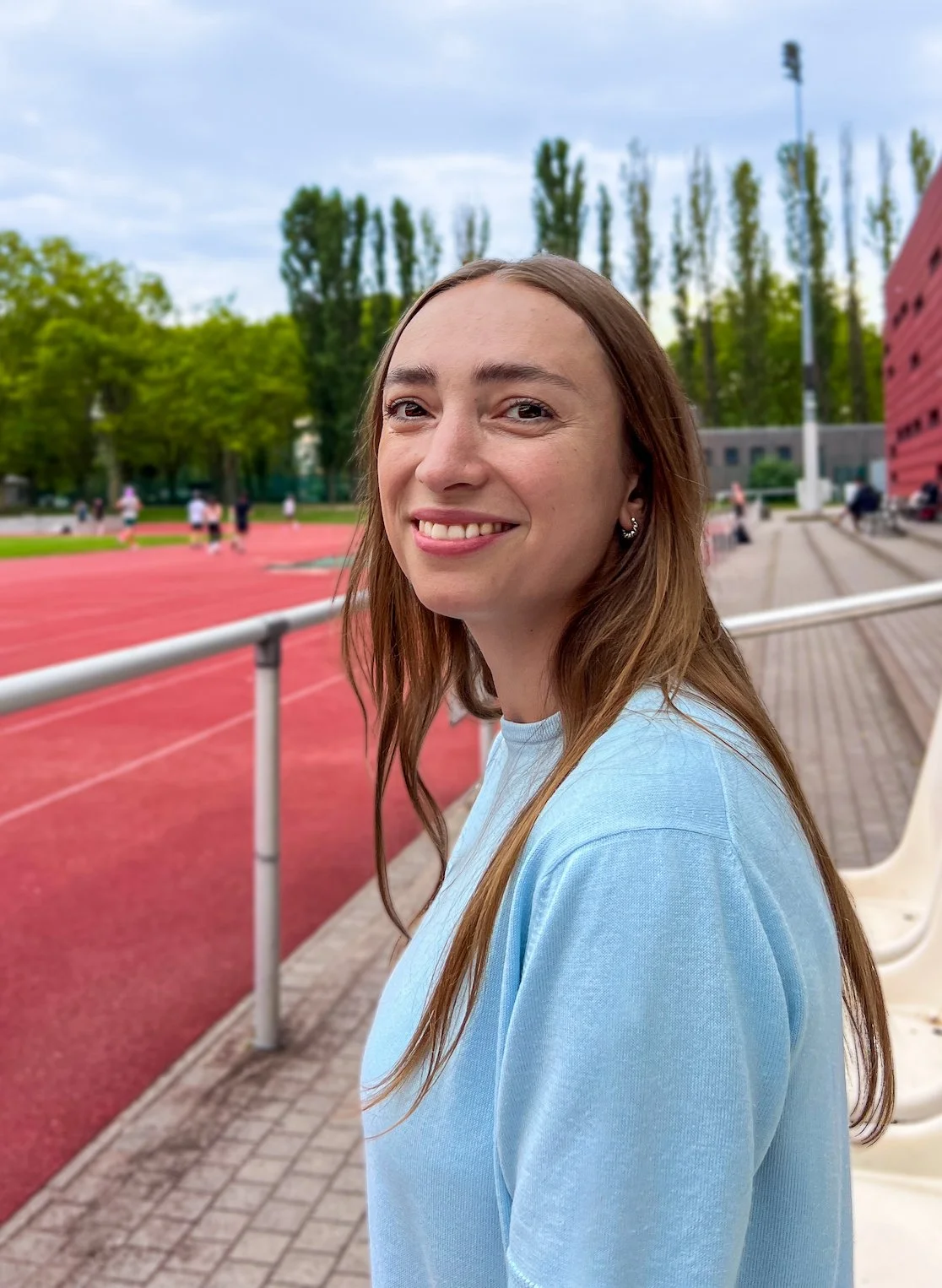
Welcome to your safer space
First things first: you should feel at ease. And to ensure that, you need to know who you are dealing with.
My name is Eva, I am a former competitive athlete (Olympic handball) and a qualified sports psychologist.
My key qualifications:
Master’s in Applied Sports Psychology (MLU Halle-Wittenberg)
Certified ASP expert (ASP is the working group for sports psychology in Germany)
Bachelor’s degree in Sports Science (HU Berlin)
As a freelance sports psychologist, I support athletes of different age groups and across a range of sports. I place particular importance on maintaining professional confidentiality.
Even though mental training, just like any other form of training, can be challenging, working with me should always be a safer space for you.
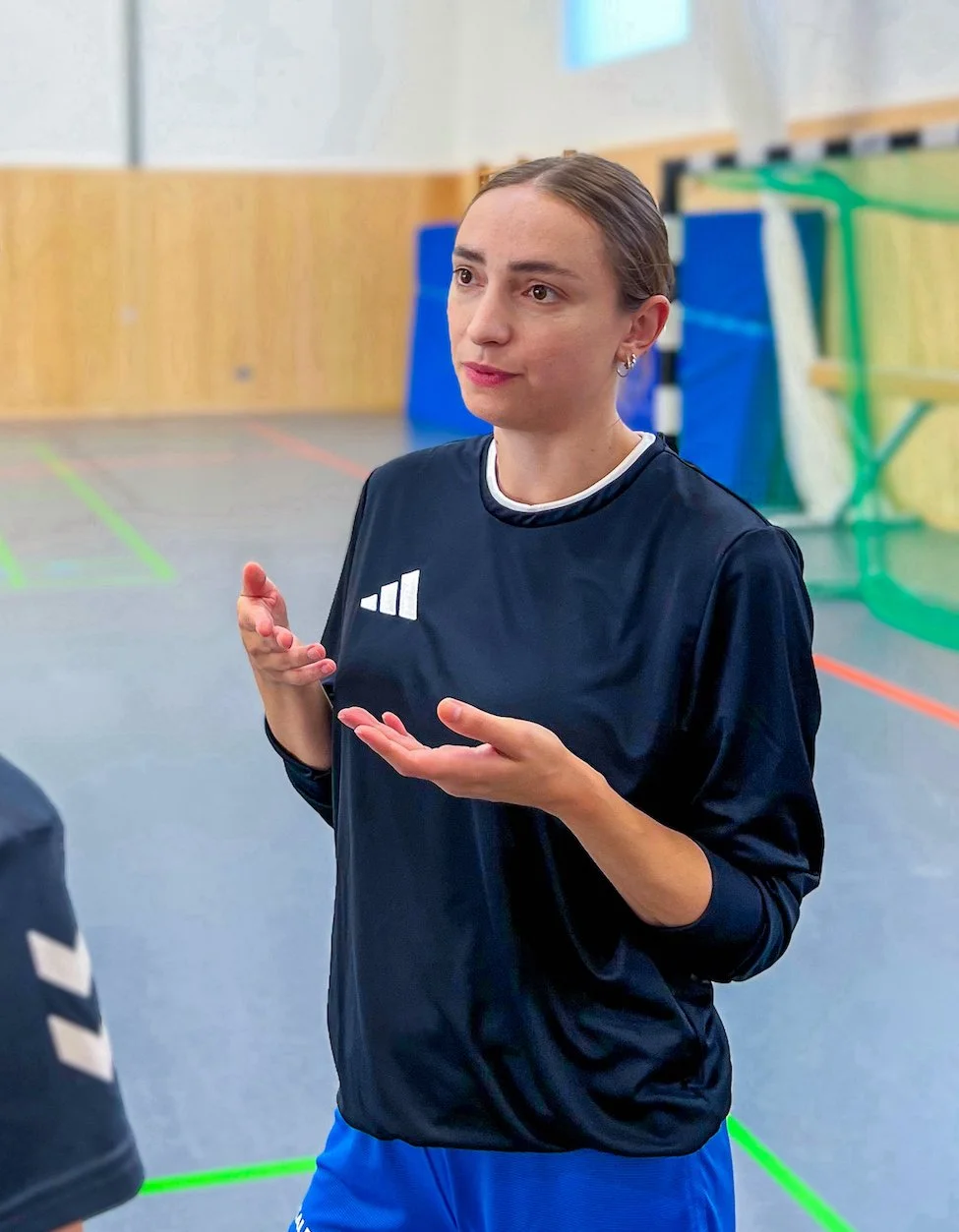
“There is a space between stimulus and response. In that space lies our power to choose our response.”
(Viktor Frankl)
In competitive sport, very high demands are placed on people’s performance. This applies to both physical and mental aspects. However, mental strength is not something you either have or don’t have – like everything else, it can be trained.
The good news is: we are not simply at the mercy of our emotions. Because there is a space between stimulus and response.
What I offer
-
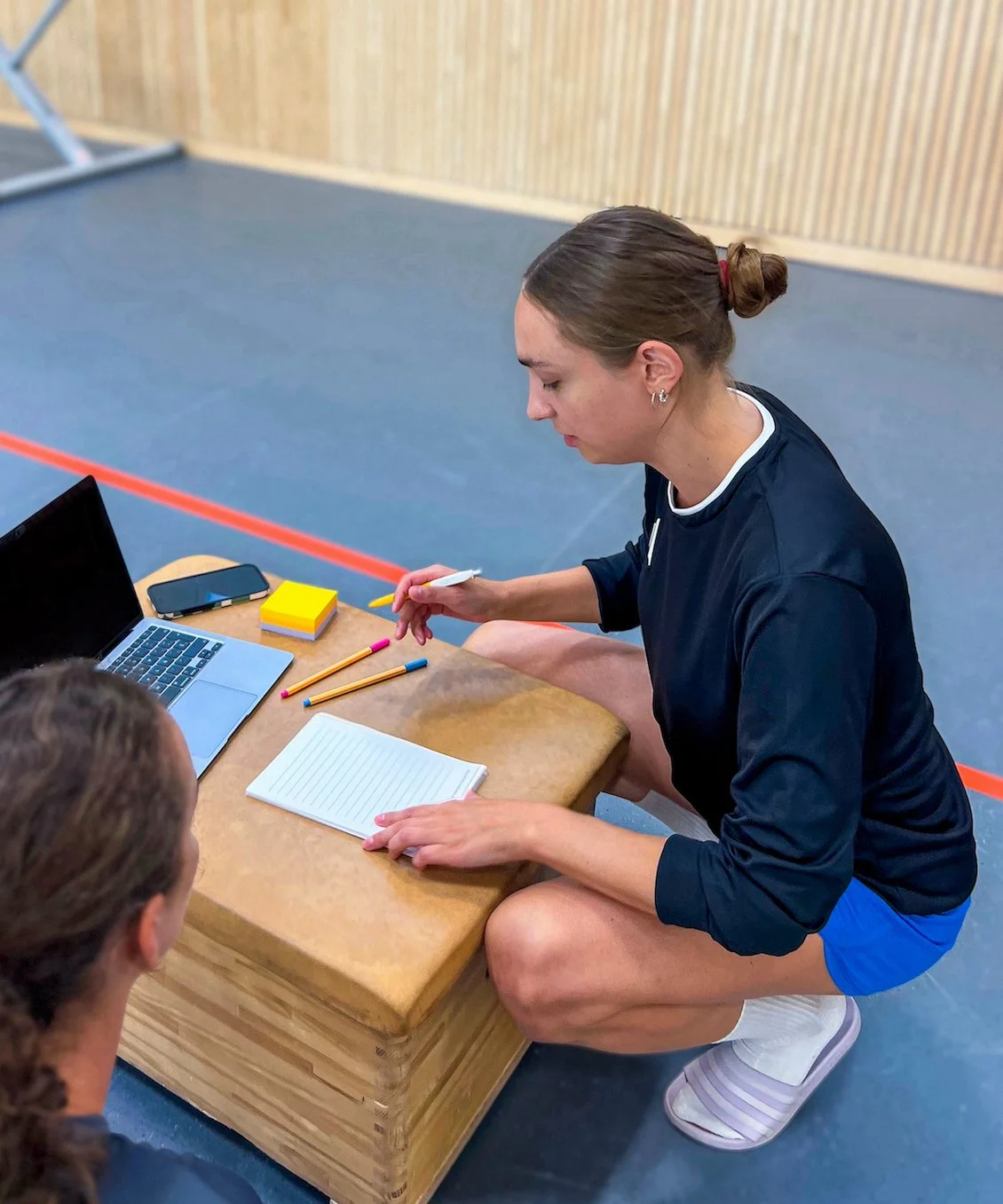
One-to-one coaching is at the heart of sports psychology work. In these sessions, a wide range of topics are explored in detail and solutions are developed together.
I conduct one-to-one sessions primarily online. We can speak in German or English. The initial consultation, which is designed to get to know one another and explore possibilities for working together, is always free of charge and without obligation.
-
Group settings are ideal when the whole team is facing a challenging task or when there are topics that need to be discussed within the group.
In team sports in particular, the dynamics and relationships between members should not be overlooked. Often, working through a topic together is not just about transferring knowledge, but also about team-building. Whether through traditional workshops or joint training sessions with a focus on sports psychology — the possibilities are wide-ranging.
-
Assessing situations first-hand can be a great advantage in analysis, diagnosis and follow-up work.
Observing a training session or attending a competition ensures that individual coaching can be given greater depth, as previously identified key areas are discussed together afterwards. Furthermore, sports psychology support can be particularly helpful in stressful situations.
-
Key topics in sports psychology include, amongst others, coping with pressure, motivation and emotional regulation, goal-setting and goal achievement, self-confidence , stress management and dealing with injuries.
These and other topics are not only relevant to athletes. Coaches, parents and indeed anyone else can benefit from expertise in (sports) psychology. Here, too, there is a wide range of opportunities for knowledge transfer.
Prices: I generally follow the official fee schedule for sports psychology services in Germany, which can be viewed here (in German).
A bespoke package can always be put together — let us have a chat about it.
Contact
Please feel free to send me a message, with no obligation, if you’re interested in furthering your mental development.